
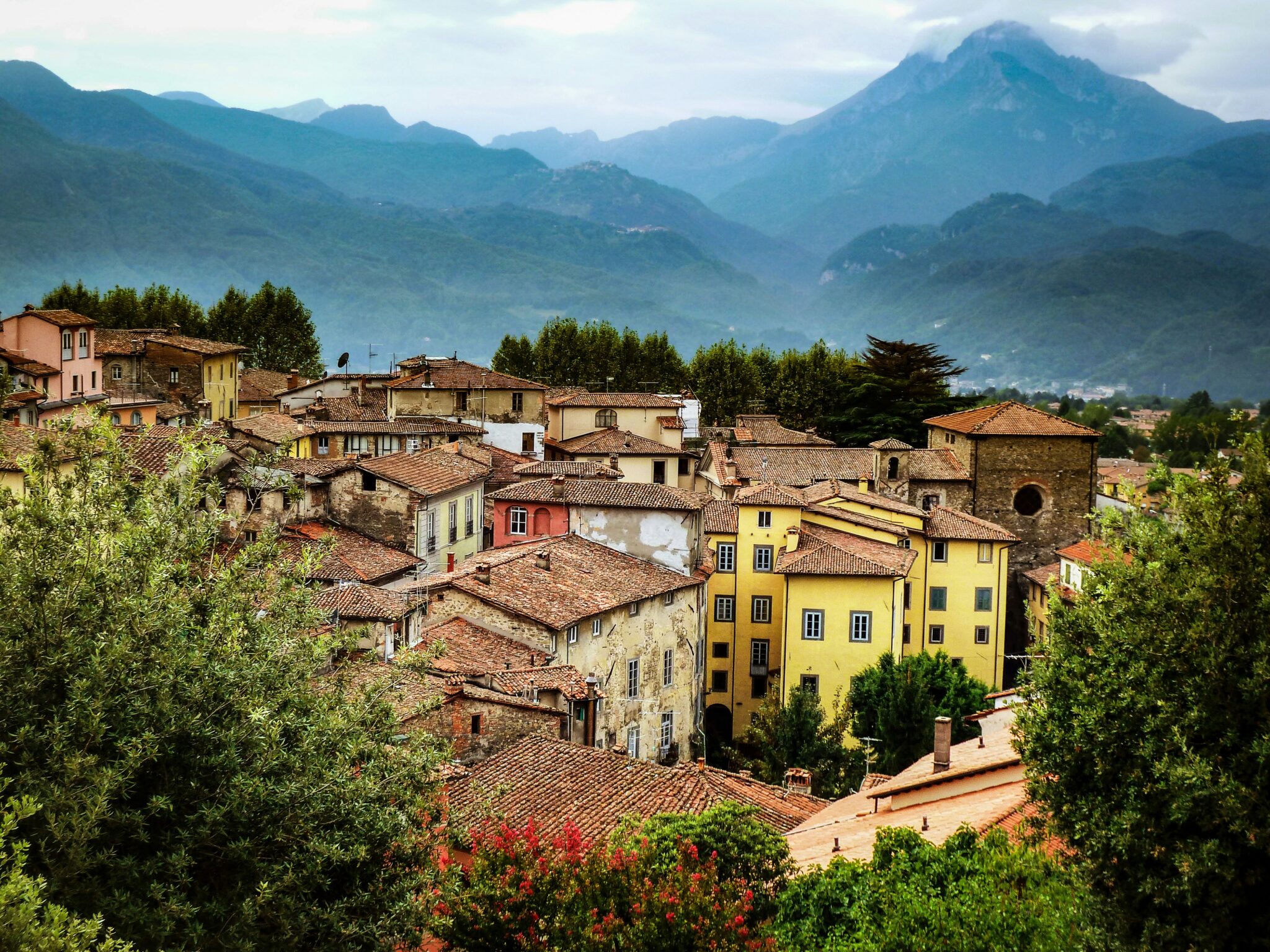
Nestled among the lush woods of the Garfagnana and the Serchio Valley, the skyline of Barga appears like a medieval mirage carved in stone. Its tower houses, narrow paved lanes and Renaissance palazzi tell of centuries of proud history: for a full five centuries under Florentine rule, Barga preserved an independent spirit, caught between the ambitions of Lucca and the might of the Este family. It is a place where time seems to have stood still; famous for having inspired the poet Giovanni Pascoli, this enchanting stone village has kept its charm intact.
At sunset, when the sun slips behind the Apuan Alps and the stone of the Cathedral glows the colour of honey, Barga looks like any other Tuscan village: lanes climbing in steps, church bells echoing across the valley, washing hung out to dry, the scent of woodsmoke and chestnuts drifting down from the mountains. And yet the heart of this Italian gem holds a Scottish soul, which we are about to discover.
A contested village, loyal to Florence
The hills on which Barga stands were already inhabited by the Apuan Ligurians, then came the Romans; but the town proper was born with the Lombards, who also gave it its name. In the 8th century it was a fief of the Rolandinghi, in the 11th it fell into Lucca’s orbit, and throughout the Middle Ages it was a coveted prize: wealthy, well defended and overlooking the Serchio Valley, it was besieged several times by the people of Lucca and Pisa. In 1341 the people of Barga made a decision that would shape their identity: they voluntarily gave themselves to the Republic of Florence. For more than five centuries, until the Unification of Italy, Barga was a Florentine enclave set amid the lands of Lucca, a proud little outpost with its walls, its three gates and a Cathedral that grew stone by stone, century after century, on the top of the hill.
These were the days of merchants and notaries, of noble palazzi and academies: in 1688 the Accademia degli Indifferenti was founded, later renamed the Accademia dei Differenti, which in the 18th century built the theatre that is still the heart of the town’s cultural life. But beneath that civic grace lay a stingy mountain. Fields were few and hard to farm, so the people of Barga learned very early on to look beyond the horizon of their hills.
Barga and Scotland: the long road to the Highlands
The first to leave were the figurinai, plaster craftsmen who modelled statuettes of saints and famous figures and sold them in the streets of Europe. They travelled in small companies of five to seven men: some of them made it as far as Moscow and beyond the Urals.
By the end of the 19th century, however, the flow of emigrants was heading above all towards one city: Glasgow. The great industrial metropolis on the Clyde, with its shipyards and factories, needed workers and offered a chance to anyone willing to work without rest. Leaving was not an adventure faced alone: cousins, uncles and nephews, brothers, fifteen-year-old boys who left the Garfagnana with a cardboard suitcase and an address scribbled on a scrap of paper, to go and work in a relative’s shop. The Gonnella family was among the first to settle in Glasgow, and their café was already a local landmark at the beginning of the 20th century. Behind them came hundreds of other families, who spread out to Paisley, Greenock, Motherwell, Ayr, Largs, and as far as Falkirk and Dunbar.
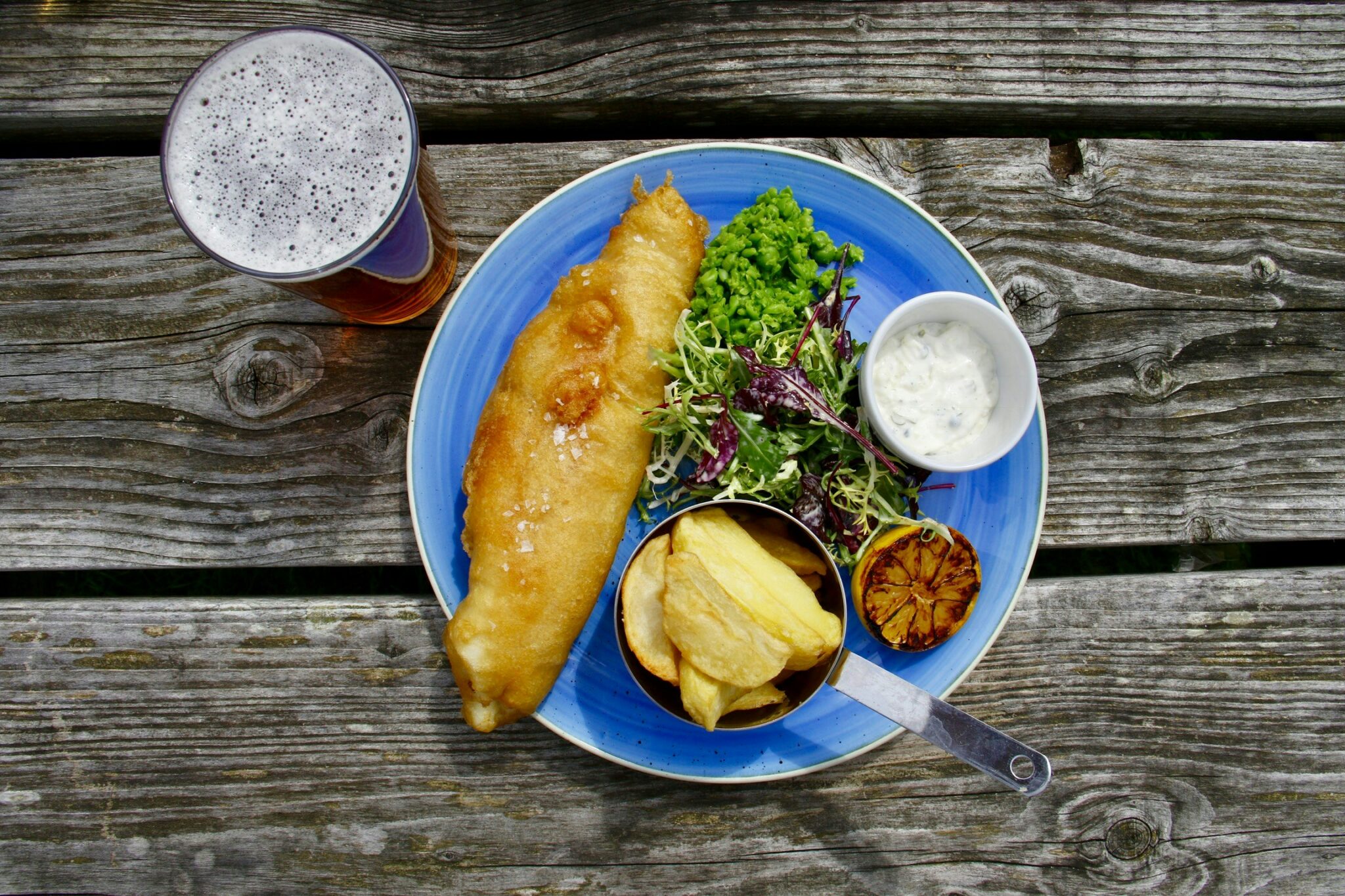
The emigrants from Barga found their way through food. In summer they sold ice cream, in winter they fried fish and potatoes for the hungry workers coming out of the shipyards and the docks. And so, almost without realising it, they helped build one of the symbols of modern Scotland: fish and chips, and the Italian café with its marble counter and ice-cream machine. Behind many Scottish shop signs, surnames from the Serchio Valley are still hidden today. The grandfather of singer-songwriter Paolo Nutini opened his chip shop in Paisley in 1914; the Lemetti family had opened theirs in Camelon, near Falkirk, as early as 1895. Whole Barga communities took root in Glasgow, in Edinburgh and along the west coast.
When Scotland came to the stone village
Many of them, however, came back: to marry, to build the house they had dreamed of through a lifetime of work, to grow old looking at their own mountains. And with them came back a piece of Scotland. English words mixed with the local dialect, afternoon tea, a passion for Celtic, the taste of fried fish wrapped in paper. It is said that today more than half the families in town have relatives or ties in Scotland, and it’s not unusual to hear people born in Glasgow speaking Italian with an accent that leaves no doubt!
One village, two souls
The signs of this intertwining are everywhere. Here’s where to look for them if you fancy spending a few days in this beautiful corner of Tuscany!
- The Fish and Chips Festival. Since the early 1980s, every summer, the returned emigrants have paid tribute to their history with a perfect fusion of Italy and Scotland through flavours and aromas: the Sagra del Pesce e Patate, in other words fish and chips made to the Barga-Scottish recipe. Eating the classic battered fish fillet with chips, to the sound of dance bands, is a truly unique experience!
- Burns Night. In January, Barga celebrates Burns Night, the supper in honour of Robert Burns, Scotland’s national poet: haggis, poems and toasts, just as in any Scottish town.
- The “red telephone box” in Largo Biondi. Its story begins in 1986, when a man from Barga who had moved to Edinburgh bought it at a charity auction. After keeping it in his garden for years — with a perfectly working telephone inside! — he had to move to a smaller house and decided to donate it to Barga. The phone box arrived in 2008 and immediately became a symbol of the bond between the two countries: today it is a tiny book-swap library.
- The Italian tricolour beside the Saltire. The Scottish flag (the cross of Saint Andrew, or Saltire) very often flies next to the Italian one: outside shops, private homes and even public buildings.
- The Barga Tartan. In 2025, to celebrate the Barga Scot Connection even further, at an official meeting between the Lord Provost of Glasgow and the mayor of Barga, the town was presented with a special tartan in green, white and red threads recalling the Italian flag. It was designed by Michael Lemetti, a descendant of the family who left in 1895, mentioned above.
- Municipal stadium. It is named after Johnny Moscardini, the Scottish-born son of emigrants who played for the Italian national team. It is right here that the Fish and Chips Festival takes place, between late July and mid-August.
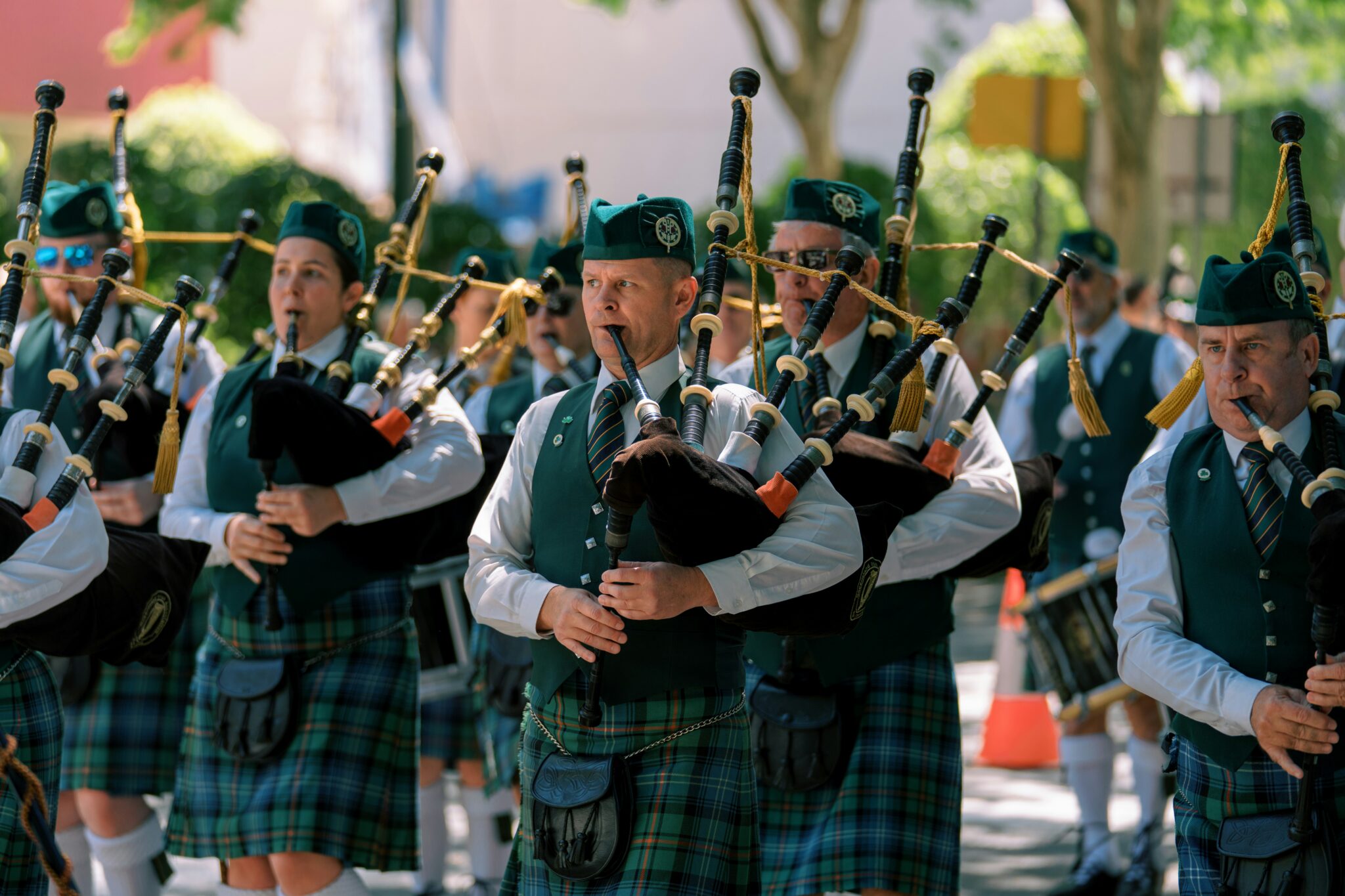
Scottish Week: September in kilts
Born as the “Barga Scottish Weekend” and growing edition after edition, the Barga Scottish Festival is organised by the BargaScot association together with the Municipality of Barga. For three days, traditionally the first weekend of September, the town becomes a piece of Scotland, and the programme touches on almost every aspect of Scottish culture.
Pipe bands and parade. The festival opens with the pipe band parade climbing from the modern town centre up to Barga Vecchia. A regular guest in recent years has been the Isle of Skye Youth Pipe Band: young pipers and dancers who come all the way from the Isle of Skye. Bands such as the Doc’n Socks Pipe Band (Canada) and the Royal Highland Company Pipes & Drums have also performed. The Lord Provost of Glasgow and delegations from Scotland often take part in the parades too.
Music, dancing and ceilidh. Concerts of Celtic and Scottish music in the squares, Highland dancing and, in the evening, the Barga Ceilidh Dance, the ceilidh – the traditional dance party where anyone can jump in, even without knowing the steps. The final concert is usually held at the Teatro dei Differenti.
Highland Games. At Parco Kennedy, caber tossing, tug-of-war and feats of strength: even the traditional games of the Highlands find a place within Tuscan walls!
Market and Scottish street food. Piazza Garibaldi and the streets of the old town fill up with a Scottish-themed market selling fabrics, tartan, crafts and local produce. Restaurants and local associations serve haggis, steak pie, salmon, fish and chips, beer and whisky, and there’s no shortage of Irn-Bru, the orange soft drink every Scot knows.
Culture, exhibitions and whisky. Book presentations, exhibitions by Scottish artists, workshops (even shortbread-making ones) and guided whisky tastings. The 2026 edition also offered tastings of rare Macallan miniatures.
Parades, open-air concerts and the market are generally open to all; some activities such as tastings or themed dinners may be paid. Remember, though, that during the festival the old town is partly closed to traffic: it’s best to park in the lower part of town and walk up.
When to go (and why)
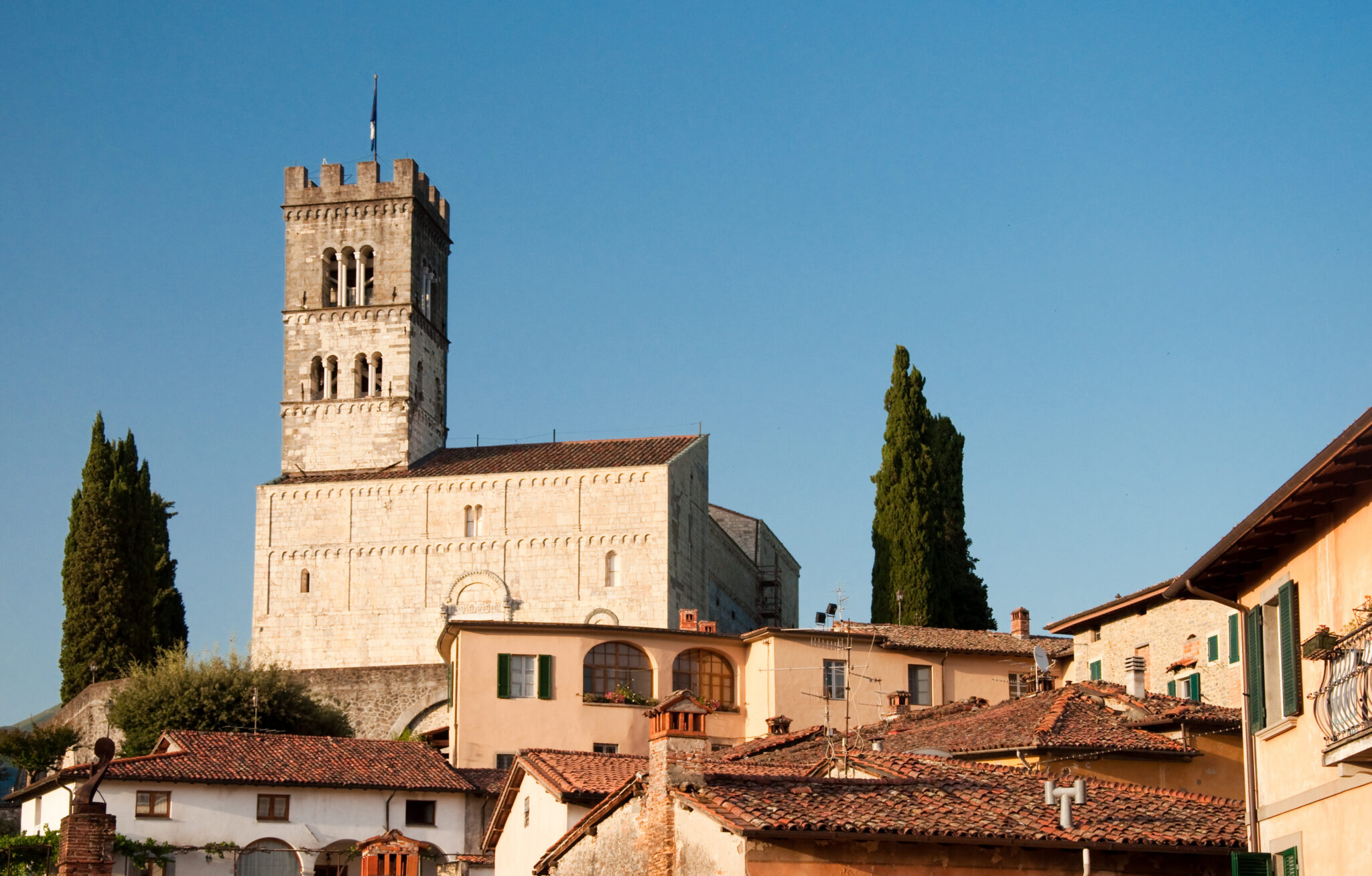
The best way to discover Barga is to enter on foot through Porta Reale and let the climb guide you. Lanes and stairways wind up between Renaissance palazzi, arches, little workshops and sudden glimpses of the valley (Barga Vecchia), all the way to the Duomo of San Cristoforo. The Romanesque church, built and enlarged over five centuries, looks almost like a fortress from the outside; inside it houses the medieval pulpit, the large wooden statue of Saint Christopher and, above the side door, a bas-relief attributed to Biduino. Next to the Cathedral, in the Palazzo Pretorio, you can visit the civic museum; on the way down, it’s worth stopping at the Teatro dei Differenti, where Pascoli’s voice once rang out. For those who want to explore the surroundings too, there are the Ponte della Maddalena at Borgo Mozzano, the Grotta del Vento and, of course, the Garfagnana.
Barga is certainly worth a visit in every season, but two moments are special: September, to experience Scottish Week among bagpipes and Highland Games, and August, for the Fish and Chips Festival. The village is easy to reach from Lucca, heading up the Serchio Valley: a perfect idea for anyone who dreams of Scotland but also feels the call of the Tuscan countryside.
A glass of Chianti sipped while a bagpipe plays in the distance, a taste of haggis served alongside a plate of tordelli (half-moon ravioli filled with meat and vegetables): in Barga you can enjoy all this knowing that it isn’t folklore staged for tourists, but the living testimony of a bond that has never been broken, handed down from family to family along with the stories of those who left and those who chose to return.
Silvia Miraglia